What is Hypoglycemia?
Hypoglycemia means your blood sugar drops below normal levels. This can happen to anyone, but it is more common in people with diabetes. When blood sugar is too low, your body does not get enough energy. As a result, you may feel weak or dizzy. Preventing low blood sugar is important for your health and daily life.
Common Causes of Low Blood Sugar
There are several reasons why hypoglycemia can occur. For example, skipping meals or eating less than usual can lower your blood sugar. Taking too much insulin or diabetes medicine is another cause. Sometimes, extra exercise or drinking alcohol can also lead to low blood sugar. Knowing these causes helps you avoid hypoglycemia.
Recognizing Early Symptoms
It is important to notice early signs of hypoglycemia. This way, you can act quickly. Some common symptoms include:
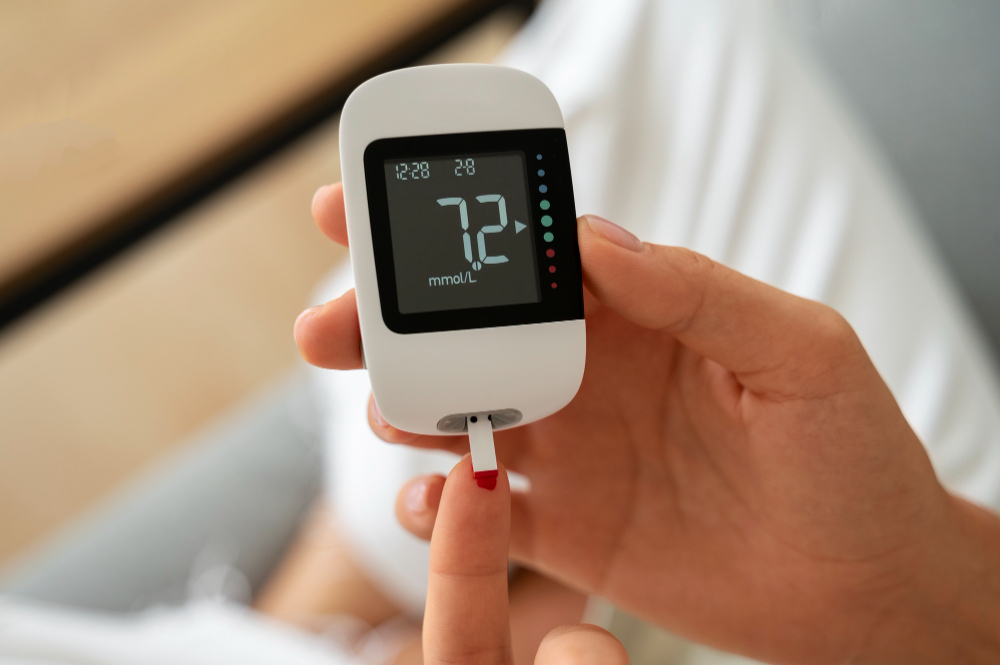
If you notice these signs, you should check your blood sugar right away. Early action can prevent serious problems.
Effective Ways to Prevent Hypoglycemia
There are many simple steps you can take to avoid hypoglycemia. Here are some effective hypoglycemia prevention tips:
By following these steps, you can lower your risk of low blood sugar. For more details, the CDC and WHO offer helpful resources on hypoglycemia prevention.
Lifestyle and Dietary Tips
Healthy habits make a big difference in preventing low blood sugar. For instance, eat balanced meals with a mix of carbohydrates, protein, and healthy fats. Choose whole grains, fruits, and vegetables for steady energy. Also, drink enough water throughout the day. If you exercise, check your blood sugar before and after activity. This helps you stay safe and avoid sudden drops.
When to Seek Medical Help
Sometimes, hypoglycemia can be serious. If your symptoms do not improve after eating sugar, or if you faint, seek medical help right away. In addition, talk to your doctor if you have frequent low blood sugar episodes. They can adjust your treatment plan to keep you safe.
Summary: Key Takeaways
Consult a healthcare professional for personalized advice on preventing hypoglycemia.