
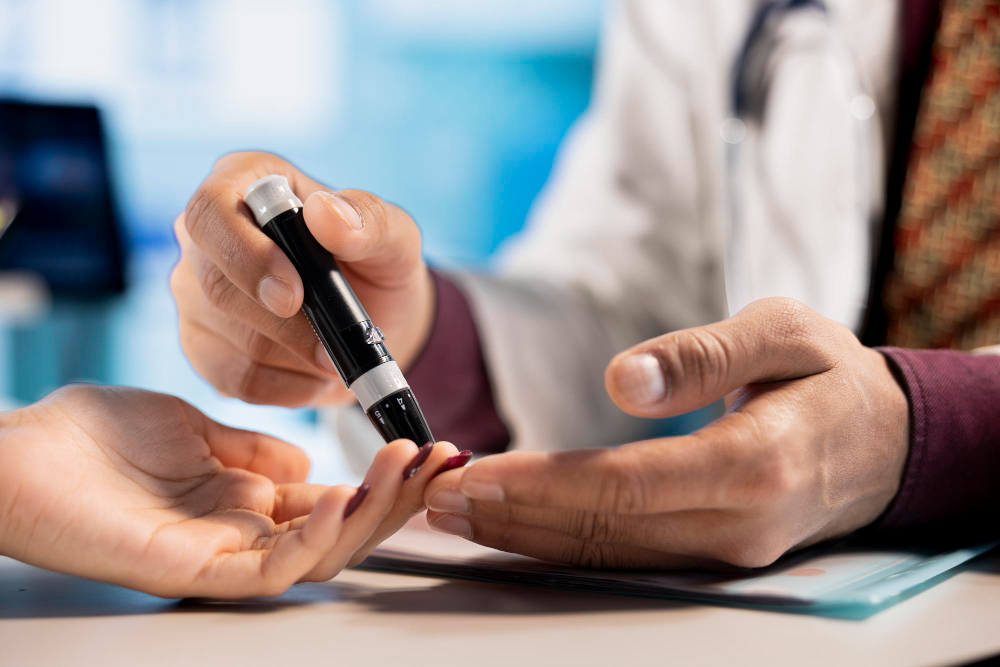
Diabetes control before and after surgery is very important. Good blood sugar control for surgery helps lower risks and supports healing. Managing diabetes during surgery can improve surgical outcomes in diabetic patients. If blood sugar is too high or too low, problems may happen. Therefore, careful planning is needed for anyone with diabetes who needs surgery.
What Is Diabetes and Why Is Control Important?
Diabetes is a condition where the body cannot use sugar properly. This leads to high blood sugar levels. When blood sugar is not controlled, it can harm the heart, kidneys, and nerves. For surgery, stable blood sugar helps the body heal faster. Also, it lowers the risk of infection. According to the CDC, keeping blood sugar in a safe range is key for good health.
How Diabetes Affects Surgery Outcomes
People with diabetes face more risks during and after surgery. For example, high blood sugar can slow healing. It can also raise the chance of infection. Sometimes, wounds may not close well. In addition, blood sugar swings can cause problems with the heart or kidneys. Because of these risks, doctors watch diabetic patients closely during surgery. The World Health Organization notes that good diabetes control can improve surgical outcomes.
Preparing for Surgery with Diabetes: Steps to Take
Proper planning helps reduce surgery risks for people with diabetes. Before surgery, talk to your healthcare team. They will guide you on what to do. Here are some steps to follow:
Managing Blood Sugar Before Surgery
Keeping blood sugar steady before surgery is vital. Your doctor may adjust your medicines or insulin. Sometimes, you may need to stop eating or drinking for a few hours. Even so, do not skip your diabetes care unless your doctor says so. Here are some tips:
In some cities or hospitals, diabetes care teams may offer extra support. Ask if this is available in your area.
Post-Surgery Diabetes Care and Monitoring
After surgery, blood sugar can change quickly. Stress, pain, or new medicines may affect your levels. Therefore, close monitoring is needed. Your care team will check your blood sugar often. They may adjust your medicines or insulin. If you feel dizzy, weak, or confused, tell your nurse right away. Good blood sugar control after surgery helps wounds heal and lowers infection risk.
Tips for a Smooth Recovery
Recovering from surgery with diabetes takes extra care. Here are some helpful tips:
Additionally, keep all follow-up appointments with your doctor.
Prevention of Surgical Complications in Diabetic Patients
Preventing problems is better than treating them later. To lower your risk of surgical complications, follow these steps:
According to the CDC, these actions can help prevent serious problems after surgery.
Conclusion
In summary, diabetes before and after surgery needs careful control. Good blood sugar management lowers risks and helps you heal. Always consult a healthcare specialist before surgery for personalized diabetes management advice.