Gestational diabetes is a type of diabetes that develops during pregnancy. If you have this condition, it is important to monitor blood sugar during pregnancy. Keeping your blood sugar in a healthy range helps protect both you and your baby. In this guide, you will learn why monitoring is important, how to check your blood sugar at home, and what steps you can take for better control.
What is Gestational Diabetes?
Gestational diabetes happens when your body cannot use insulin well during pregnancy. Insulin is a hormone that helps control blood sugar. As a result, your blood sugar levels can become too high. Usually, this condition starts in the second half of pregnancy. Some women are more at risk than others. For example, you may be at higher risk if you:
However, anyone can develop gestational diabetes, so regular screening is important.
Why Monitoring Blood Sugar is Important
Monitoring your blood sugar helps you keep it within a safe range. If your blood sugar is too high, it can cause problems for both you and your baby. For example, high blood sugar can lead to:
On the other hand, keeping your blood sugar under control lowers these risks. Therefore, regular monitoring is key for a healthy pregnancy.
How to Monitor Blood Sugar at Home
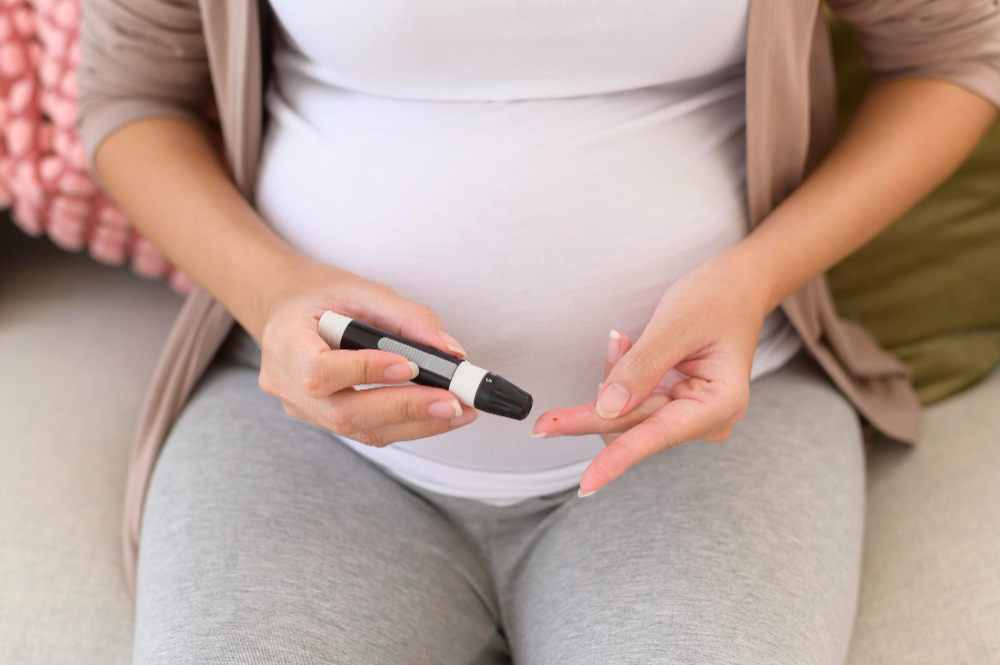
Most women with gestational diabetes check their blood sugar at home. You will use a small device called a glucometer. Here is a step-by-step guide:
Most doctors recommend checking blood sugar four times a day:
For accurate readings, always use clean hands. Also, use fresh test strips and follow your glucometer’s instructions. If you are unsure, ask your healthcare provider for a demonstration.
Understanding Your Blood Sugar Readings
It is important to know what your numbers mean. According to the American Diabetes Association, normal blood sugar levels during pregnancy are:
If your readings are higher than these targets, try to note what you ate or did before the test. Sometimes, stress or illness can also affect your numbers. If your blood sugar is too low (below 70 mg/dL), eat or drink something with sugar, like juice or glucose tablets. Always let your doctor know about frequent high or low readings.
Lifestyle Tips for Better Blood Sugar Control
Making small changes can help you manage gestational diabetes. Here are some tips:
Even small steps can make a big difference. However, always check with your doctor before starting a new exercise or diet plan.
When to Contact Your Doctor
Sometimes, you may need extra help. Contact your doctor if you notice:
Keep a record of your blood sugar readings. Share this information with your healthcare provider at each visit. This helps them adjust your care plan if needed.
Frequently Asked Questions
For personalized advice on managing gestational diabetes during pregnancy, consult your healthcare provider.