
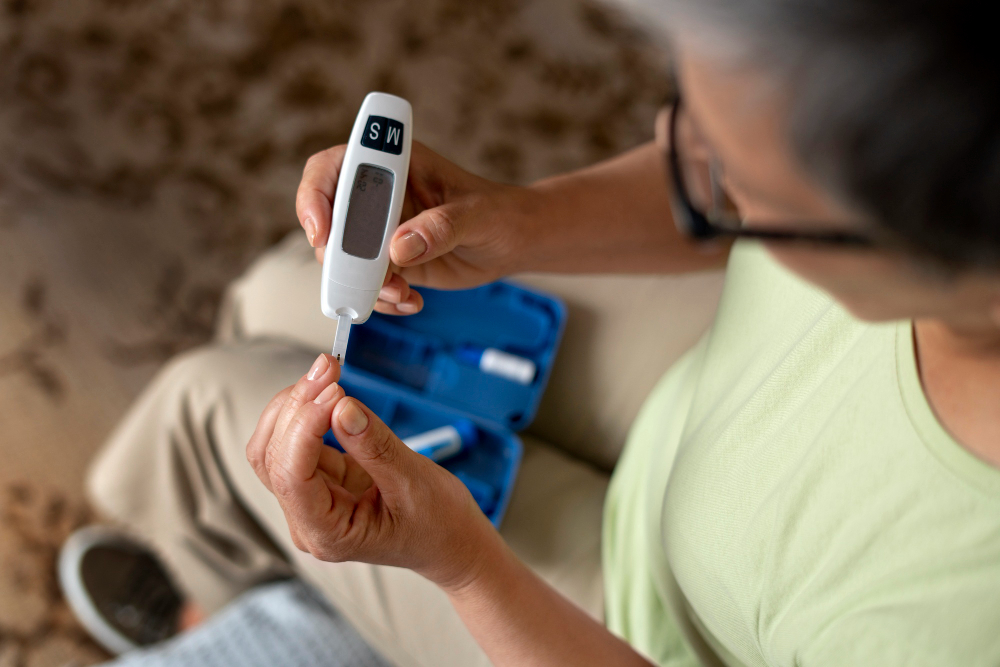
What is Winter Dehydration & Diabetes?
Winter dehydration & diabetes is a health concern that affects many people during cold months. People with diabetes are more likely to get dehydrated in winter. Even though it is cold, your body can still lose water. This makes it important to watch for signs of dehydration, especially if you have diabetes. Staying hydrated helps keep your blood sugar levels steady and supports your overall health.
Why Are People with Diabetes at Higher Risk in Winter?
People with diabetes face higher risks of dehydration in winter for several reasons. First, cold weather can reduce your sense of thirst. As a result, you may drink less water. Also, diabetes can cause your body to lose more fluids through urine. In addition, indoor heating can dry out the air, making you lose water faster. Because of these factors, it is easy to become dehydrated without noticing.
Common Symptoms of Winter Dehydration in Diabetics
It is important to know the signs of winter dehydration in diabetes. Early detection can help prevent serious problems. Watch for these symptoms:
If you notice these symptoms, you may be dehydrated. Therefore, it is important to act quickly.
Causes and Risk Factors
Several causes and risk factors can lead to winter dehydration in diabetes. Understanding these can help you stay safe. Common causes include:
Older adults and children with diabetes are at even higher risk. So, it is important to pay extra attention during winter months.
Diagnosis and Warning Signs
Doctors can diagnose dehydration by checking your symptoms and doing simple tests. For example, they may check your blood sugar and urine. If you have diabetes, it is important to watch for warning signs like:
If you notice these warning signs, seek medical help right away. Early treatment can prevent serious health problems.
Prevention Tips for Winter Dehydration in Diabetes
Preventing dehydration is easier than treating it. Here are some simple tips to help you stay hydrated in winter:
By following these tips, you can lower your risk of winter dehydration in diabetes.
Lifestyle Guidance: Staying Hydrated in Cold Weather
Staying hydrated in cold weather takes a little planning. For example, set reminders to drink water throughout the day. You can also add a slice of lemon or cucumber to your water for flavor. If you live in a cold climate, keep a glass of water near your bed. This way, you can drink as soon as you wake up. In addition, check your urine color. Pale yellow means you are well hydrated. Dark yellow means you need more fluids.
When to Seek Medical Help
Sometimes, dehydration can become serious. If you have diabetes and notice any of these signs, get medical help right away:
Quick action can prevent more serious problems. The CDC and WHO recommend seeing a doctor if you are unsure about your symptoms.
In summary, winter dehydration & diabetes can be managed with simple steps. Stay alert to symptoms and drink water often. Consult a healthcare professional for personalized advice on managing diabetes and staying hydrated during winter.